Source Unfinished Solid Electric Guitar Kit for bands, studios, and custom builds
Compare 30 listings for an Unfinished Solid Electric Guitar Kit featuring semi-hollow and solid body options. Buyers can evaluate materials like rosewood and maple, pickup configurations, and customization services from verified manufacturers.
Key considerations
Products List


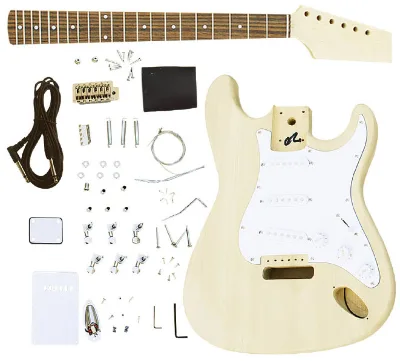
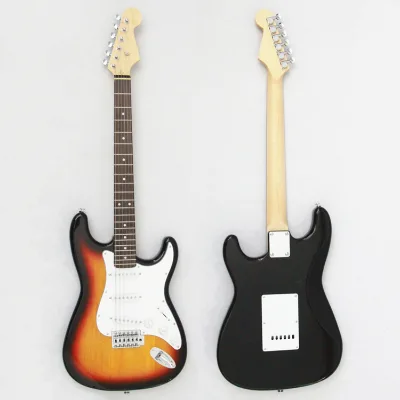
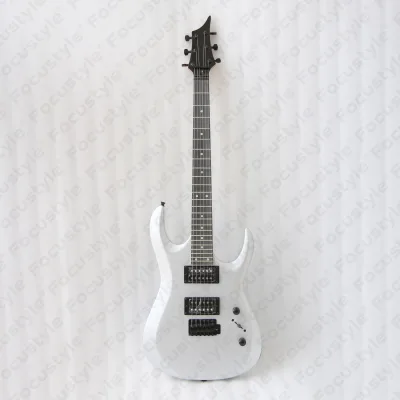
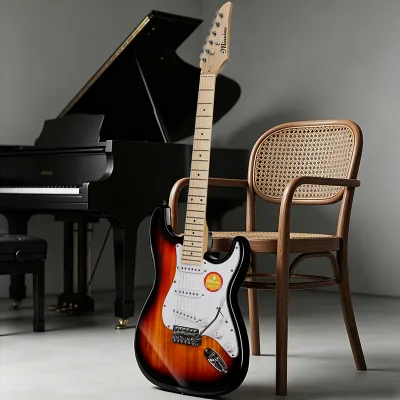
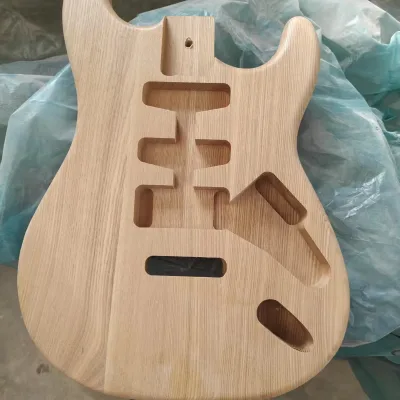
Afanti Unfinished Solid Body Rosewood Fingerboard Double Locking DIY Guitar Kit
$81.50 - $91.50
MOQ: 4 Pieces

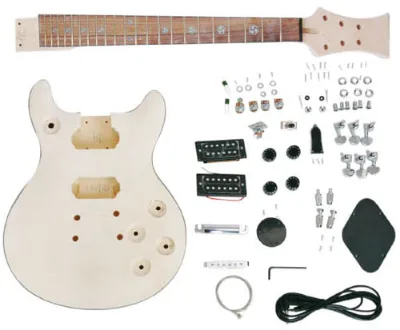
Afanti Unfinished Mahogany Body with Ash Veneer DIY Electric Guitar Kit
$106.50 - $115.50
MOQ: 4 Pieces

Afanti Mahogany Body with Ash Veneer Left Handed DIY Electric Guitar Kit
$110.50 - $118.50
MOQ: 4 Pieces
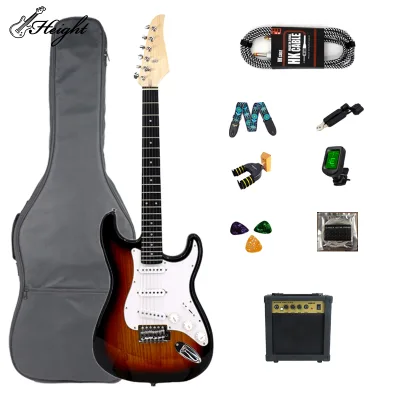


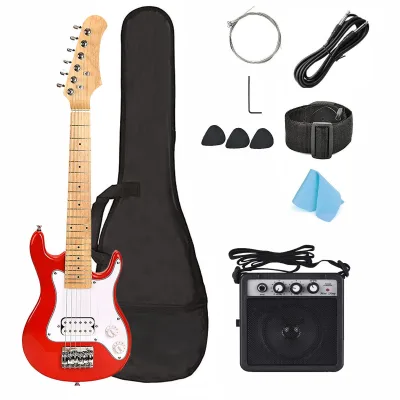
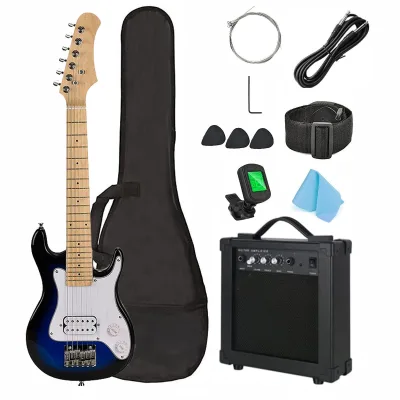
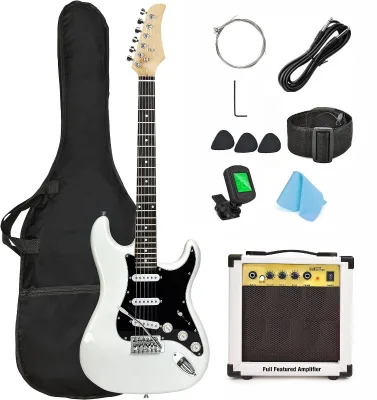
Comprehensive Sourcing Guide
Strategic Sourcing Guide for Unfinished Solid Electric Guitar Kits
The global market for musical instrument components has seen a significant shift toward semi-finished and unfinished electric guitar kits, particularly for the DIY enthusiast, educational institutions, and boutique luthiers. For procurement professionals, sourcing an "Unfinished Solid Electric Guitar Kit" requires a nuanced understanding of the distinction between solid-body construction and semi-hollow designs, as well as the specific material properties that define the final instrument's acoustic and aesthetic potential. This guide provides a disciplined framework for evaluating suppliers, verifying technical specifications, and managing the procurement lifecycle for these specialized products, ensuring that the final assembly meets rigorous performance standards without relying on unverified marketing claims.
Technical Specifications and Material Composition
When evaluating unfinished electric guitar kits, the primary technical differentiator lies in the body material and the structural integrity of the neck. The supplied data indicates a diverse range of material configurations available in the current market. Buyers must verify whether the kit utilizes a solid body construction or a semi-hollow structure, as this fundamentally alters the weight, resonance, and suitability for different musical genres. Observed product attributes confirm the availability of "Semi-hollow" body structures, which are often preferred for jazz applications due to their warm, resonant tone, while solid bodies are standard for rock and metal.
The material composition is equally critical. Procurement teams should expect to encounter kits featuring "Rosewood" or "Ebony" fingerboards, which offer distinct tonal characteristics and durability. The neck material is frequently listed as "Maple" or "Okoume," with "Mahogany" appearing as a common choice for the back and side materials in semi-hollow variants. Additionally, "Basswood" is identified as a specific body material option, known for its balanced frequency response and ease of finishing. It is essential to note that some listings mention "Tech-wood" or "Walnut" as fingerboard alternatives, suggesting a need for buyers to clarify the exact wood species and treatment process.
Scale length is another vital specification. Standard electric guitar kits typically adhere to a 25.5-inch scale length, which is confirmed in the observed data. However, variations exist, such as a 648mm scale (approximately 25.5 inches), which buyers must cross-reference to ensure compatibility with standard strings and hardware. The number of frets is consistently observed as 22, a standard configuration that balances playability with tonal range. Buyers should also verify the hardware finish, with "Chrome" and "Diecast Chrome" machine heads being common observations, and confirm the pickup configuration, ranging from passive single coils to humbucker (H H) setups.
Compliance, Certification, and Safety Standards
In the realm of B2B procurement for musical instruments, compliance is often a secondary concern compared to electronics, yet it remains non-negotiable for international trade. While the provided data does not explicitly list specific certification statuses for every product, it references "ISO 27001" as a background standard, which pertains to information security rather than product safety. Buyers must not assume that a supplier's mention of ISO 27001 implies compliance with product safety standards such as CE, FCC, or REACH.
Instead, procurement teams must actively verify that the wood used in the kits has been treated to meet international phytosanitary standards, preventing the spread of pests across borders. The "prod_standard" attribute in the data lists dimensions like "80x58x15" and "75x46x12," which likely refer to packaging or product dimensions rather than safety certifications. Buyers should request documentation confirming that the finishes, glues, and hardware components comply with the safety regulations of the destination market. For instance, if the kits are destined for the European Union, the supplier must provide evidence of compliance with REACH regulations regarding chemical substances. Similarly, for the North American market, verification of lead-free hardware and non-toxic finishes is required.
Furthermore, the "OEM and Customized Design" attribute suggests that suppliers are willing to adapt products to specific client needs. This customization capability introduces a layer of complexity regarding compliance. If a buyer requests a specific finish or hardware modification, the resulting product must still meet the safety standards of the target market. Buyers should include clauses in their contracts requiring the supplier to indemnify them against any non-compliance issues arising from custom modifications.
Cost Drivers and Pricing Dynamics
The pricing structure for unfinished electric guitar kits is influenced by several variables, including material quality, customization level, and order volume. The observed price range in the market spans from $8.99 to $183, a wide disparity that reflects differences in component quality and brand positioning. Lower-priced kits typically utilize more common woods like Basswood and standard hardware, while higher-priced options may feature premium tonewoods like Mahogany or exotic fingerboards like Ebony.
The Minimum Order Quantity (MOQ) is a significant cost driver. The data indicates an MOQ range from 1 to 120 pieces. Suppliers with an MOQ of 120 pieces, such as those associated with the "AEX" or "APS" model lines, often offer lower per-unit costs due to economies of scale. Conversely, suppliers accepting single-unit orders may charge a premium to cover the administrative and logistical overhead of small-batch processing. Buyers must balance the need for inventory flexibility against the desire for cost efficiency.
Packaging also impacts the final landed cost. The data notes packing configurations such as "5PCS/Carton" and "4PCS/Carton, 1PC/Small Carton." These variations affect shipping volume and weight, which directly influence freight charges. The "Single gross weight" of 26.000 kg for a single package suggests that some kits are heavy, potentially requiring specialized shipping arrangements. Buyers should calculate the total cost of ownership, including freight, insurance, and duties, rather than focusing solely on the unit price.
Typical Applications and Market Segmentation
Unfinished electric guitar kits serve a diverse range of applications, catering to distinct market segments. The "Type: Unfinished Electric Guitar Kit" designation points primarily to the DIY and educational sectors. Music schools and universities often purchase these kits to teach students about instrument construction, woodworking, and electronics. The unfinished nature of the product allows students to engage in the finishing process, providing a hands-on learning experience that is difficult to replicate with pre-finished instruments.
For boutique luthiers and custom guitar builders, these kits offer a foundational platform for creating unique instruments. The "OEM or ODM Are Welcome" attribute indicates that suppliers are open to custom branding and design modifications, making these kits ideal for brands looking to launch their own line of instruments without investing in manufacturing infrastructure. The availability of various styles, including "ST" (Stratocaster style) and "Jazz Guitar" configurations, allows buyers to target specific musical genres.
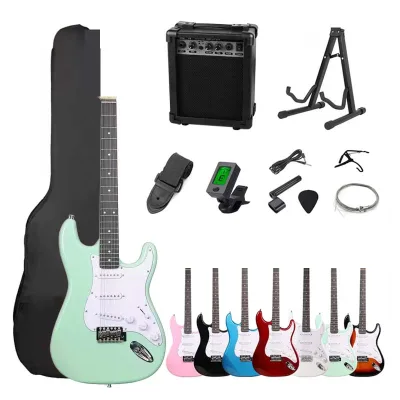
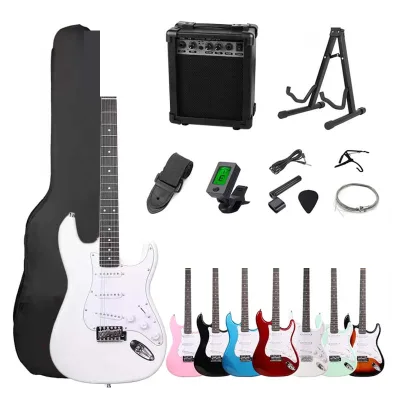
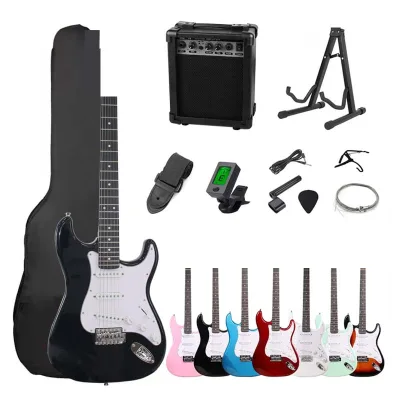
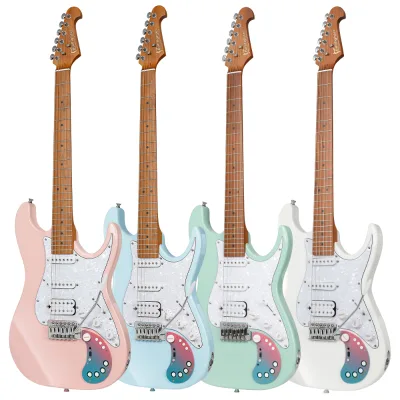
Additionally, the "Color" options listed, such as "white, red, Light green, sunset, Sky Blue, black," and "Blue Guitar," suggest that these kits are also marketed to hobbyists who wish to customize the aesthetic of their instruments. The ability to choose from a wide palette of colors and finishes allows for high levels of personalization, which is a key selling point for the consumer market.
Supplier Evaluation and Quality Assurance
Evaluating suppliers for unfinished guitar kits requires a rigorous approach to quality assurance. The "prod_origin" and "Place of Origin" data indicate that the majority of these products originate from China, with specific mentions of "Shandong" and "Guangdong" provinces. These regions are known for their manufacturing capabilities, but buyers must verify the specific factory's quality control processes.
Key evaluation criteria should include the supplier's ability to maintain consistent dimensions and tolerances. The "prod_standard" dimensions provided in the data serve as a baseline, but buyers should request samples to verify that the actual product matches these specifications. The "Inlay: Customized" attribute suggests that some suppliers offer intricate fingerboard designs, which require high precision. Buyers should inspect samples for smooth edges, proper fret installation, and consistent wood grain.
The "Hardware" and "Pickup" specifications are also critical. Buyers should test the hardware for durability and the pickups for signal clarity. The "Control: 1V2T" (one volume, two tone) configuration is a standard setup, but the quality of the potentiometers and switches can vary significantly. Suppliers should be required to provide test reports or samples that demonstrate the functionality of the electronics.
Long-Term Procurement Considerations
Sourcing unfinished electric guitar kits is not merely a transactional activity but a strategic partnership that requires long-term planning. The "Customization: Available" and "OEM and Customized Design: Yes" attributes highlight the potential for deep collaboration between buyer and supplier. Over time, buyers may wish to refine the design, change materials, or alter the packaging to better suit their brand identity.
Buyers should establish a clear communication channel with suppliers to ensure that changes in design or material sourcing are managed effectively. The "prod_packing" variations observed in the data suggest that packaging solutions may need to be adapted as the product evolves. For example, a shift from "5PCS/Carton" to a different configuration might be necessary to optimize shipping costs or reduce waste.
Furthermore, the "Scale Length" and "Fret" specifications should be standardized across the product line to ensure consistency. Buyers should work with suppliers to create a master specification sheet that defines all critical dimensions and material requirements. This document will serve as the basis for all future orders and quality control checks.
Finally, buyers should consider the supply chain resilience. The "Lead time" and "MOQ" constraints observed in the data indicate that some suppliers may have limitations on their production capacity. Buyers should develop a diversified supplier base to mitigate the risk of supply disruptions. By maintaining relationships with multiple suppliers, buyers can ensure a steady flow of high-quality unfinished guitar kits to meet market demand.
Conclusion
Sourcing unfinished solid electric guitar kits requires a meticulous approach that balances technical specifications, compliance requirements, and cost considerations. By leveraging the observed data and applying rigorous quality control measures, procurement professionals can identify suppliers that deliver high-quality products tailored to their specific needs. The diverse range of materials, styles, and customization options available in the market offers significant opportunities for innovation and growth. However, success depends on the buyer's ability to verify claims, manage supply chain risks, and foster long-term partnerships with reliable suppliers. Through disciplined evaluation and strategic planning, buyers can secure a competitive advantage in the evolving musical instrument market.
FAQs
What materials are used for unfinished solid electric guitar kits?
Kits typically use Basswood for the body and Maple or Okoume for the neck. Fingerboards are often Rosewood, Ebony, or Tech-wood, while semi-hollow variants may feature Mahogany back and side materials.
Which customization options are available for these guitar kits?
Suppliers offer OEM and ODM services with customizable inlays, colors, and designs. Buyers can select from various color options like white, red, or black, and request specific hardware finishes such as chrome.
What is the typical scale length for these unfinished guitar kits?
The standard scale length is 25.5 inches, which is also listed as 648mm in some specifications. This dimension ensures compatibility with standard strings and hardware configurations found in most electric guitars.
Can I order a single unit of an unfinished electric guitar kit?
Yes, some suppliers accept a minimum order quantity of one piece. However, other models may require an MOQ of 120 pieces, so buyers should verify the specific requirements for their chosen model number.
How are these guitar kits packaged for shipping?
Packaging configurations vary, with options including 5 pieces per carton or 4 pieces per carton plus one small carton. Buyers should note that single gross weights can reach 26 kg, affecting shipping logistics.
What pickup configurations are available for these unfinished kits?
Kits come with passive pickups, including configurations like H H humbuckers or Single Coil*3 setups. The control layout often features a 1V2T (one volume, two tone) system for standard functionality.